Tips to Prevent Gum Disease

Nobody wants gum disease, yet more and more people are getting gum disease. Gum disease comes from a lack of good oral hygiene. Plaque builds up along our gum line when we don’t brush our teeth or floss. The plaque leads to increased bacteria that can create cavities and eventually decay. At West Valley Dental in Tukwila, Washington, we want each of our patients to be aware of the symptoms of gum disease and some helpful tips to prevent it. The sooner we can recognize gum disease and start treatment, the better you will be. Waiting to take care of gum disease because you may think it’s “no big deal” can lead to many surgical restorations.
Gingivitis
The first stage of gum disease is referred to as gingivitis. Gingivitis may cause a little discomfort, and many people do not even realize they have gingivitis. That is why it is so important to attend your bi-annual appointments with the dentist. We can detect gingivitis early on and help you avoid further surgical restoration options. If you have sensitive gums or bleeding in your gums when brushing or flossing, you may have gingivitis. You can resolve this with diligent brushing and flossing. If you do not take care of gingivitis in its early stages, it can become periodontal disease.
Periodontal Disease
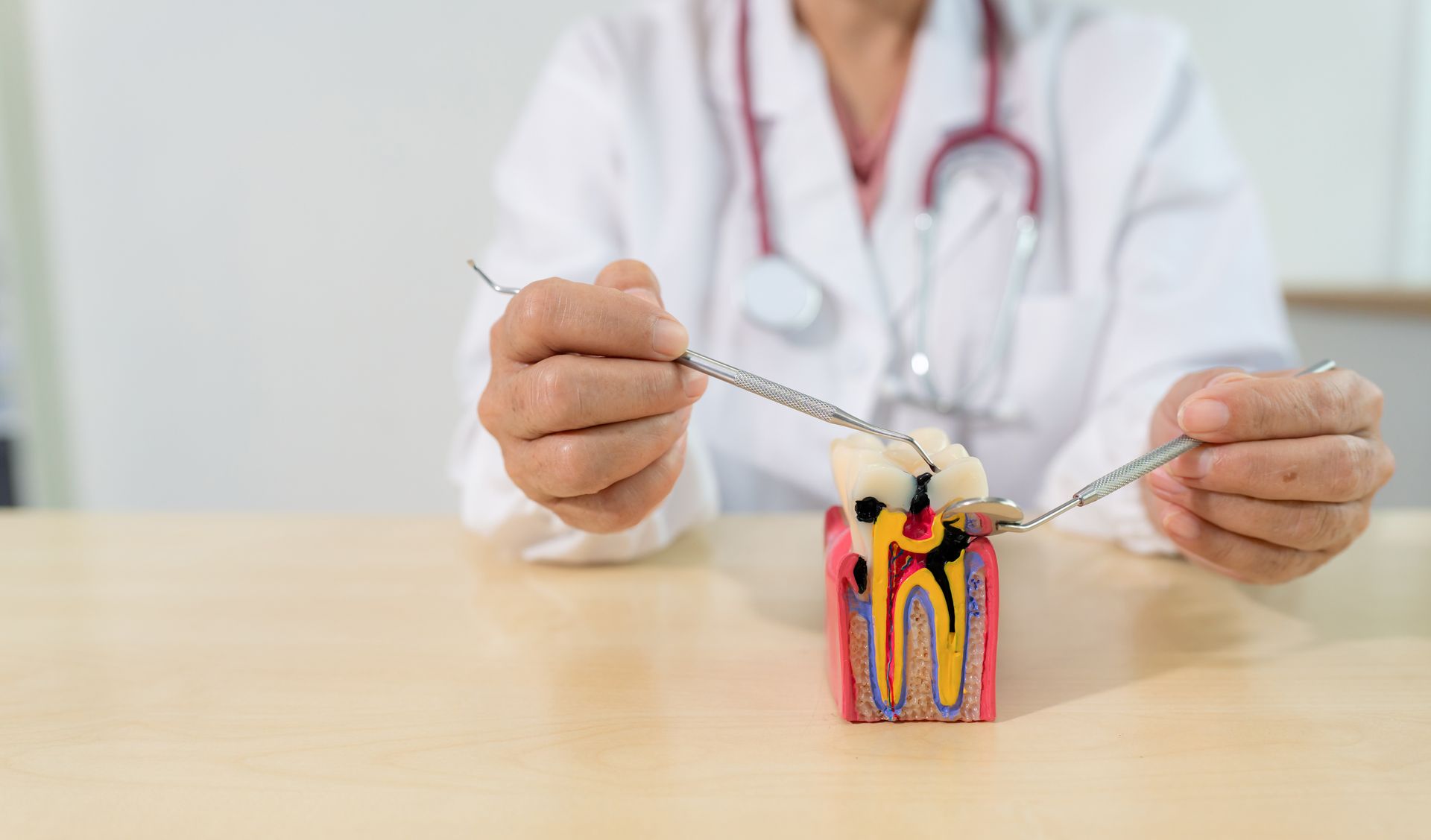
Periodontal disease is severe gum disease. The plaque build-up that turns to bacteria will start to eat away at your gum line. As your gum line recedes, you are more vulnerable to tooth decay, tooth loss, abscessed tooth, and other chronic conditions. Your different restoration options will become more extensive as your mouth becomes filled with infection. Below are some of the most common periodontal disease restoration therapies.
A scaler, a dental tool that looks like a metal hook, is used during scaling and root planing . We use it to scrape tough tartar from the surface of your teeth and the plaque built up under the gumline. Any uneven spots will be smoothed down and polished after removing all the bacteria.
Flap surgery may be necessary to tighten your gums if your gum line has become slack following scaling and root planing. Flap surgery pulls your gums back and up around your teeth, tightening them. This prevents infection in the future and ensures that your teeth do not fall out.
When the problem has developed to the point that we must replace parts of your gumline, we recommend gum grafting . If periodontal disease has gone to the base of your teeth, we may save the gumline. In this case, we will retrieve the healthy gum tissue to replace the diseased and damaged gum tissue.
Tips to Prevent Gum Disease
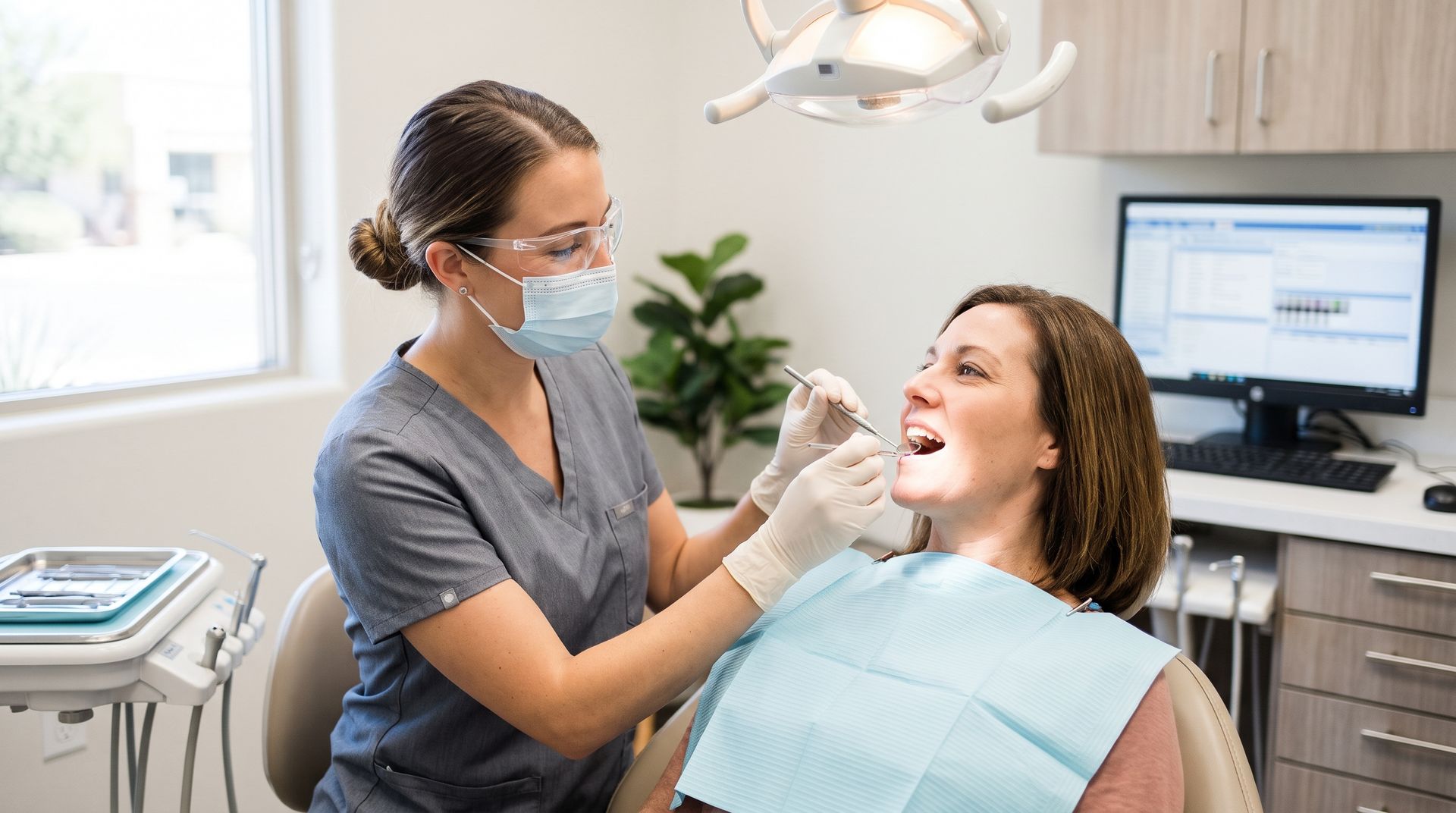
- Stay up to date with your bi-annual visits! This is the best piece of advice we can give you. If you come in for regular checkups, we can help watch for gum disease and treat it at its earliest stage, saving you time and money.
- Practice good oral hygiene. The next best thing you can do is be diligent with your brushing and flossing. Doing your best to remove plaque daily will help you avoid gum disease and keep your teeth healthy in between checkups.
- Stay hydrated. Not only is drinking plenty of water good for your overall health, but it will help keep your teeth healthy and strong.
- Avoid sugary foods. Sugar can only increase the number of cavities that you get. We recommend limiting your sugar intake.
At West Valley Dental, we are dedicated to helping you prevent gum disease and take care of your teeth. Come in for your bi-annual checkup so we can help out in any way we can! We look forward to serving you!